
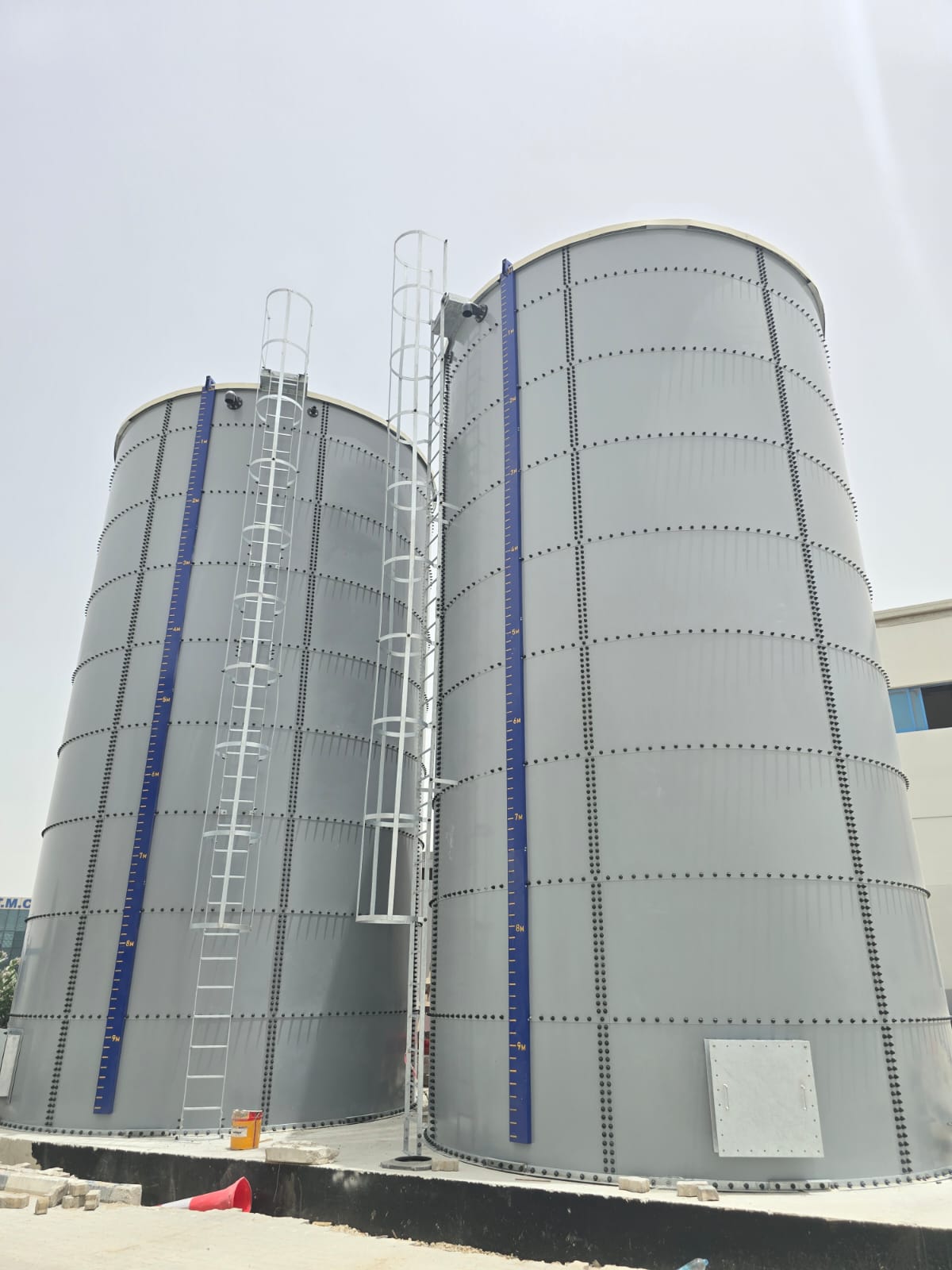
Turn on the "cold" tap in a UAE summer and the water can feel like the start of a hot shower. It is one of the most common complaints from villa owners and building managers, and the cause is usually the storage tank. A tank sitting in direct sun on a hot roof behaves like a slow solar heater. This guide explains why stored water heats up, why it matters for hygiene, and the practical steps that keep it cooler, from insulated water tanks to shade, placement and pipework.
Why Tank Water Gets So Hot in the UAE
Air temperatures above 45°C are only part of the problem. Roof surfaces absorb solar radiation and get far hotter than the air, so a tank on that surface gains heat from above, below and the sides. Small tanks with high turnover heat up quickly, while large tanks heat more slowly but stay warm for longer. Exposed pipework on the roof makes it worse, because water sitting in a sunlit pipe warms fast.
Why Warm Stored Water Matters Beyond Comfort
- Bacterial growth: bacteria such as Legionella multiply best between roughly 20°C and 45°C. Guidance such as the UK HSE's Legionella code recommends keeping cold water below 20°C. That target is hard to meet in the UAE, which is why heat control, turnover and regular cleaning matter so much.
- Chlorine loss: disinfectant residual falls faster in warm water, so it protects for a shorter time.
- Algae: sunlight plus warm water encourages algae, so light-tight lids and opaque panels help.
- Wasted water: people run the tap to clear the hot water before it turns cool, which adds up over a season.
This is general information rather than health advice. If you have concerns about your water quality, have it tested by a qualified laboratory.
Seven Ways to Keep Stored Water Cooler
1. Choose insulated panels
Insulated GRP panel tanks use a foam core between two skins, which slows heat gain through the walls and roof. For a new rooftop installation it is the most direct fix. Our GRP panel water tank guide explains how these tanks are built.
2. Use reflective materials
Light, reflective surfaces absorb less heat than dark ones. The aluminium content in Zincalume steel gives it high heat reflectivity, as explained in our Galvalume and Zincalume guide.
3. Add shade
A shade canopy over the tank blocks direct sun while leaving a ventilated gap. It is often the lowest-cost improvement for an existing tank. Al Karwan Solution FZC also builds outdoor shade structures, so see our services page for details.
4. Move the tank out of the sun
Ground-level and underground tanks stay cooler and more stable than rooftop tanks. If you are planning a new build, read our underground water tanks guide. For above-ground tanks, choose the shadiest side of the building and keep the tank away from hot walls and AC exhausts.
5. Insulate exposed pipework
Risers and roof lines carry heat straight into your supply. Foam pipe insulation with a UV-resistant cover is cheap and effective.
6. Keep the water moving
Oversized tanks hold water for days and let it warm and stagnate. Right-size the tank using our water tank size guide, or split capacity into compartments so water turns over.
7. Seal and screen the tank
A tight lid and an insect-mesh vent keep out light, dust and insects while letting the tank breathe.
Which Option Gives the Best Result?
| Option | Heat reduction | Upfront cost | Best for |
|---|---|---|---|
| Shade canopy | High | Low to moderate | Existing rooftop and ground tanks |
| Insulated GRP tank | High | Moderate to high | New rooftop installations |
| Underground tank | High | High | New builds with space |
| Reflective finish | Moderate | Low | Steel tanks and roofs |
| Pipe insulation | Moderate | Low | Any system |
| Right-sizing and turnover | Moderate | Low at design stage | New projects |
The ratings are qualitative. Results depend on your site, tank size and orientation. Combining two or three measures usually works better than relying on one.
Planning Insulation for a New Tank: What to Ask Your Supplier
If you are specifying a new tank, use these questions to compare quotations properly:
- Are the roof and walls both insulated, or only the walls?
- What insulation material and thickness is used, and how are the panel joints sealed?
- Is the exterior finish UV-stable, and is it light in colour?
- Is the tank opaque so light cannot reach the water?
- Are all materials in contact with the water suitable for drinking water?
- Where will the vent, overflow and access hatch sit, and are they screened?
Getting these details written into the specification is far cheaper than fixing them after installation. Our article on choosing the right water tank supplier lists more questions worth asking.
Heat and Water Quality in Different Building Types
The right approach depends on how the building uses water. Villas have low turnover, so a right-sized tank and shade give the biggest gain. Apartment towers and hotels often run water through roof tanks, where insulation and pipework matter most. Labour camps and factories have large ground-level tanks, so a shade structure and compartments are usually the most practical steps. See our guide to industrial water storage tanks in the UAE for those projects.
Mistakes to Avoid
- Painting the inside of a drinking-water tank with a coating that is not approved for potable use.
- Choosing dark exterior colours that soak up heat.
- Sealing a tank completely with no vent, which can cause pressure problems.
- Skipping cleaning. Warm water plus sediment encourages biofilm. Follow the schedule in our water tank cleaning and disinfection guide.
- Placing the tank beside hot equipment such as condensers and generators.
A Simple Summer Routine
- Measure the water temperature at the outlet in mid-afternoon each month and keep a log.
- Inspect the lid, vent mesh and overflow for gaps or damage.
- Clean and disinfect on schedule, and more often if you notice odour, taste or colour changes.
- Flush low-use lines, such as an unused villa wing, before they are needed.
Frequently Asked Questions
Why is the cold water so hot in UAE summer?
Sun-exposed tanks and pipes on hot roofs absorb heat all day, and small volumes of water warm quickly. The water reaching your tap has effectively been heated by the roof, which is why shading, insulation and better placement help.
Do insulated water tanks keep water cold?
They slow heat gain, but they do not chill the water. Stored water still drifts toward the surrounding temperature over time, so combine insulation with shade, pipe insulation and good turnover.
Is warm water in a storage tank safe to drink?
Warm storage encourages bacterial growth and uses up disinfectant faster, so hygiene matters more. Keep the tank sealed, cleaned and disinfected, and have the water tested if you notice changes in smell, taste or colour.
Can I add shade to an existing water tank?
Usually yes. The structure must be designed for wind loads and leave access for inspection and cleaning, so a quick site check is recommended before installation.